Winter Storm Roof Damage in Oklahoma: What to Check and When to Call
Oklahoma winters are unpredictable and punishing. One week it is 65 degrees and sunny. The next, an ice storm shuts down the metro and coats every surface in a half inch of ice. This volatility is exactly what makes Oklahoma winter storms so damaging to roofs. Unlike regions that get steady, predictable snowfall, our roofs endure rapid freeze-thaw cycles, heavy ice loading, and sudden temperature drops that stress every component of the roofing system.
If you are an Oklahoma City homeowner, here is what you need to know about winter storm damage, what you can safely check yourself, and when it is time to call a professional.
Oklahoma’s Winter Storm Profile
Oklahoma sits in a unique weather zone where Arctic air masses collide with Gulf moisture, producing ice storms that are more destructive than heavy snow events in northern states. Our most common winter threats include:
- Ice storms that coat roofs, gutters, and trees in heavy ice, adding hundreds of pounds of weight to your roofing system
- Heavy wet snow that accumulates quickly and does not slide off low-slope roofs
- Freeze-thaw cycles that drive moisture into cracks and gaps, then expand when temperatures drop again
- Rapid temperature swings of 30 to 50 degrees in a single day during transition seasons
The February 2021 Winter Storm Uri Lesson
Winter Storm Uri in February 2021 was a stark reminder of how vulnerable Oklahoma City homes are to extreme winter weather. Temperatures plummeted to single digits and stayed there for days. Ice accumulation reached over an inch in parts of the metro. The damage was extensive: burst pipes dominated the headlines, but roof damage was widespread and often went unnoticed for weeks or months.
Across the Oklahoma City metro, homeowners discovered cracked shingles, collapsed gutters, ice dam damage, and leaks that did not appear until the thaw. Many of those claims were filed in March and April, long after the storm itself. The takeaway is clear: winter storm damage is not always immediately obvious, and waiting too long to inspect can turn a minor issue into a major repair.
Types of Winter Roof Damage
Winter storms attack your roof in several distinct ways. Understanding each type helps you know what to look for.
Ice Dams
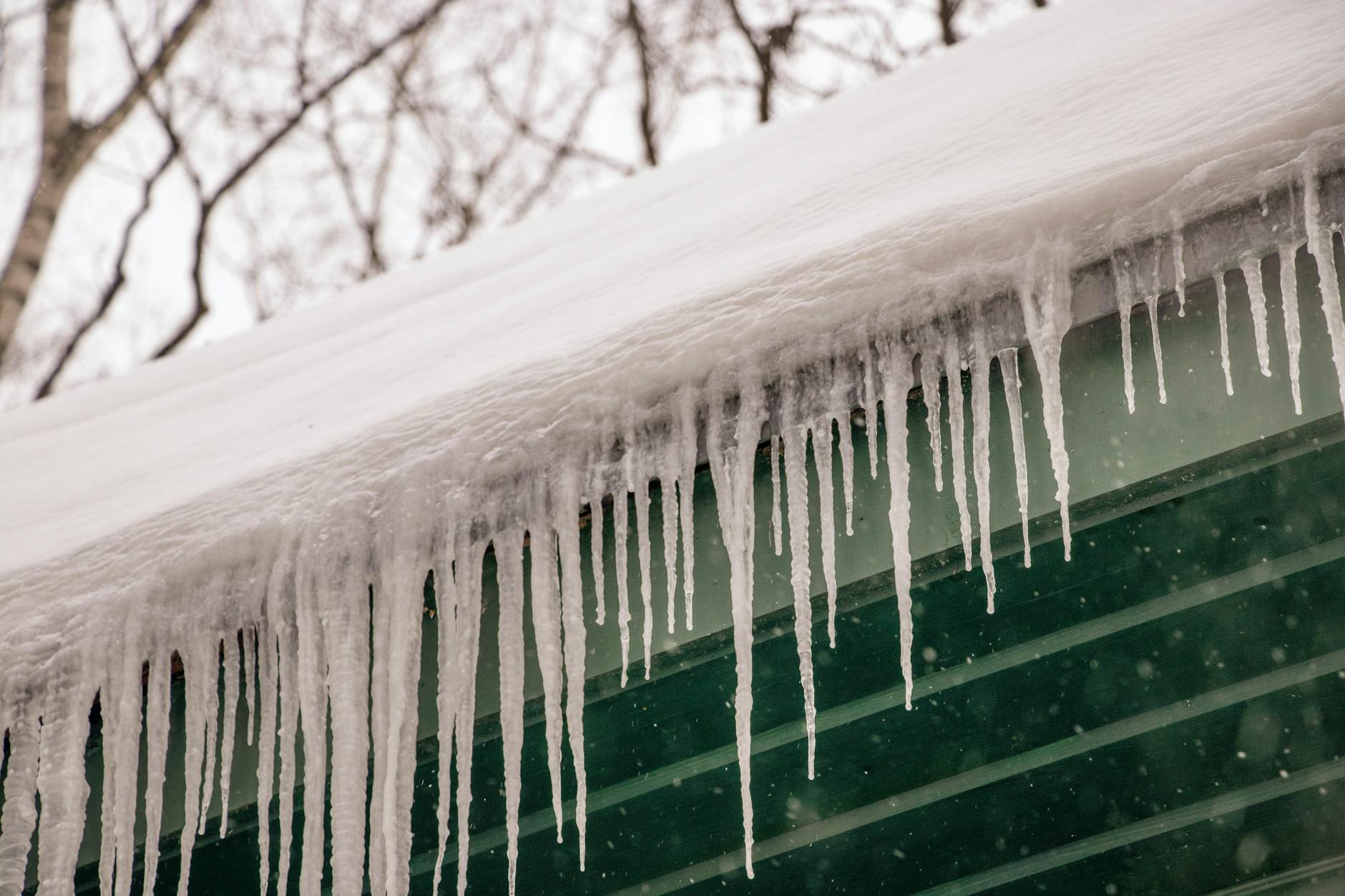
Ice dams form when heat escaping from your attic melts snow on the upper portions of your roof. The meltwater runs down to the eaves, where the roof surface is colder, and refreezes. Over time, a ridge of ice builds up along the edge, trapping water behind it. That trapped water has nowhere to go but under your shingles and into your home.
Ice dams are one of the most common and most damaging winter roof problems in Oklahoma. They are also one of the most preventable, which we will cover below.
Gutter Damage from Ice Weight
A standard residential gutter can hold about 20 to 25 pounds per ten-foot section under normal conditions. Ice changes that equation dramatically. A single ice storm can load gutters with several hundred pounds of ice. The result is bent, sagging, or completely detached gutters. When gutters pull away from the fascia board, they often take chunks of fascia with them, creating openings for water infiltration.
Fascia and Soffit Rot
When ice and snow melt and refreeze repeatedly along your roofline, moisture works its way behind fascia boards and into soffit panels. Over the course of a winter, this cycle can cause wood rot that compromises the structural integrity of your roof edge. Rotting fascia is not just a cosmetic problem. It is an entry point for water, pests, and further deterioration.
Flat Roof Ponding
If your home has any flat or low-slope roof sections, such as over a garage, porch, or addition, winter brings a specific risk: ponding. Snow and ice accumulate on flat surfaces and do not drain. When the ice melts, the water sits on the membrane. Repeated freeze-thaw cycles stress the roofing membrane, opening seams and creating leak points. Even small flat roof sections can develop serious problems after a single Oklahoma winter.
Shingle Cracking from Thermal Shock
Oklahoma’s wild temperature swings create thermal shock, which is exactly what it sounds like: rapid temperature change that causes materials to expand and contract suddenly. Asphalt shingles become brittle in extreme cold. When temperatures drop 30 or 40 degrees overnight, shingles can crack, split, or lose their seal to adjacent shingles. This damage often is not visible from the ground but leaves your roof vulnerable to wind uplift and water penetration.
What Homeowners Can Safely Check from the Ground
After a winter storm passes and conditions are safe, there are several things you can check without climbing onto your roof. Never walk on an icy or snow-covered roof. The risk of falls and further damage to your roofing materials is simply too high.
Visual Inspection from the Ground
Walk around your home and look up at the roofline with binoculars if you have them. Check for:
- Missing or displaced shingles that may have been lifted by ice or wind
- Sagging or detached gutters pulling away from the roofline
- Large icicles forming at the eaves, which can indicate ice dam formation behind them
- Visible cracks or gaps in flashing around chimneys, vents, and dormers
- Tree branches or debris resting on or near the roof surface
Interior Inspection
Go into your attic if it is safely accessible and look for:
- Water stains or damp spots on the underside of the roof decking
- Frost or ice buildup on the underside of the sheathing, which indicates a ventilation problem
- Daylight visible through the roof boards, suggesting gaps or missing materials
- Damp or compressed insulation, which reduces its effectiveness and suggests moisture infiltration
Check Around the Foundation
Look at the ground around your home’s perimeter. If gutters are damaged or ice dams have formed, water may be pooling near your foundation instead of draining away. This secondary damage is easy to overlook but can cause basement flooding and foundation issues.
Warning Signs That Need Professional Attention
Some post-storm findings should prompt an immediate call to a qualified roof repair contractor:
- Active leaks anywhere in your home, including stains that are spreading or dripping
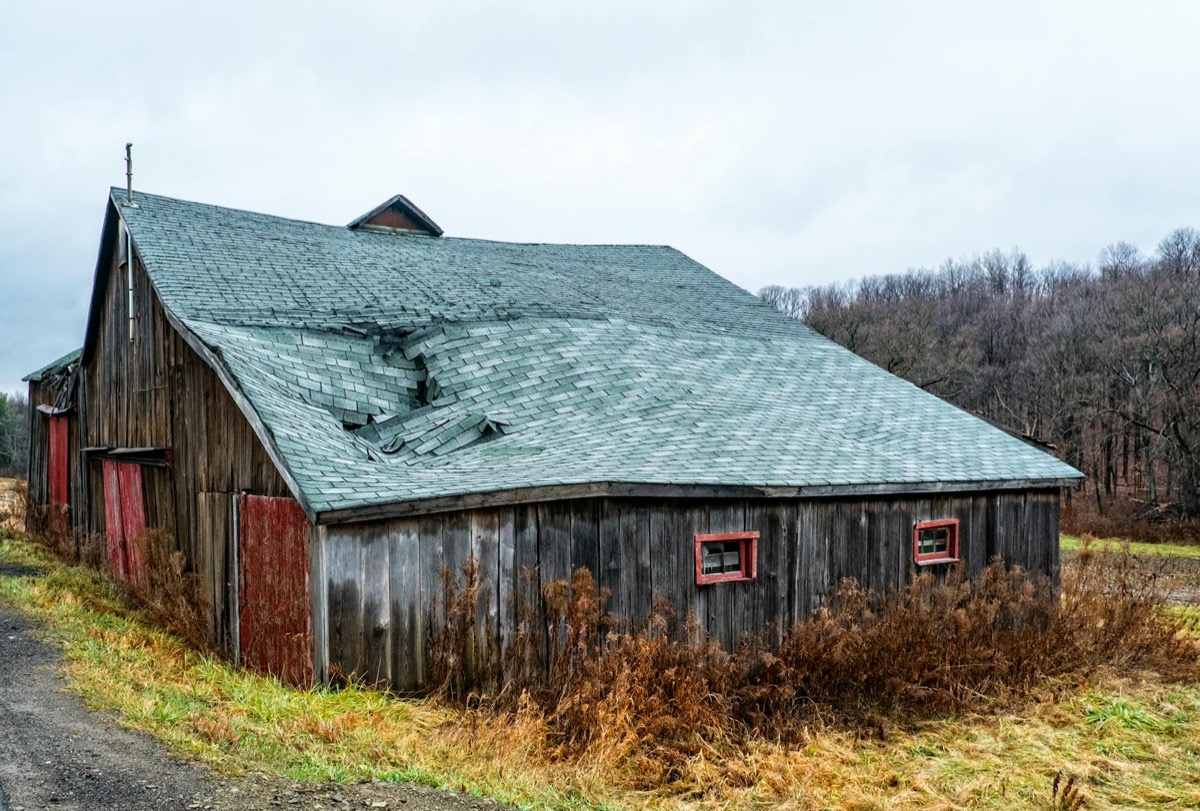
- Sagging areas on the roof surface visible from the ground, which may indicate structural stress from ice or snow weight
- Large sections of missing shingles leaving underlayment or decking exposed
- Gutters that have pulled away from the house, especially if fascia board is damaged
- Cracks in interior ceilings or walls that appeared after the storm, suggesting structural movement
Do not wait for these problems to get worse. Water damage accelerates rapidly once it starts, and what begins as a small leak can cause mold growth within 48 to 72 hours in the right conditions.
Emergency Measures: When to Call Immediately
Certain situations after a winter storm require immediate professional attention. Do not wait for normal business hours if you observe:
- A sagging roof section, which may indicate the structure is failing under ice or snow load
- Active water pouring into your home from the ceiling or walls
- Ice dam water infiltrating interior walls, which often shows as water coming through window frames or running down interior walls on upper floors
- A tree limb that has punctured or is resting on your roof
- Collapsed or severely damaged gutters that are directing all water flow toward your foundation
Emergency roof repair services can provide temporary protection, such as tarping exposed areas, to prevent further damage until a full repair can be completed.
Prevention: The Role of Attic Ventilation
The single most effective way to prevent ice dams and reduce winter roof damage is proper attic ventilation. Here is why it matters:
Ice dams form because warm air in your attic heats the roof surface unevenly. The upper sections get warm enough to melt snow, while the eaves stay cold. Proper ventilation solves this by maintaining a consistent, cold roof surface temperature.
A well-ventilated attic uses intake vents at the soffits and exhaust vents at or near the ridge to create continuous airflow. This airflow does two critical things:
- Keeps the roof surface uniformly cold so snow melts evenly and drains normally rather than refreezing at the eaves
- Removes moisture from the attic space that would otherwise condense on cold surfaces, causing frost buildup, wood rot, and mold
If your home has a history of ice dams or icicle formation along the eaves, inadequate attic ventilation is almost certainly a contributing factor. Addressing ventilation before the next winter season is one of the highest-return investments you can make in your roof’s longevity.
How Winter Damage Affects Spring Insurance Claims
If your roof sustains winter storm damage, the timing of your insurance claim matters. Here are the key points Oklahoma City homeowners should understand:
Document Everything Early
Take photos and video of damage as soon as it is safe to do so, even if conditions have not fully cleared. Date-stamped documentation strengthens your claim. If you wait weeks to document, the adjuster may question whether the damage was pre-existing.
Understand Your Policy’s Storm Damage Provisions
Most Oklahoma homeowner’s insurance policies cover sudden storm damage, including ice and wind. However, policies typically do not cover damage from deferred maintenance or gradual wear. If your roof was already in poor condition before the storm, the insurer may attribute damage to pre-existing issues.
File Promptly but Inspect Thoroughly
Insurance policies have deadlines for filing claims, often one year from the date of loss. However, you do not want to file before you understand the full extent of the damage. A professional inspection can identify damage that is not visible from the ground, ensuring your claim reflects the complete scope.
Spring Claim Season Is Competitive
In Oklahoma, insurance adjusters are busiest from March through June as winter storm claims overlap with the start of hail season. Filing your winter damage claim early, ideally by late February or March, means your claim gets attention before the spring rush.
Preparing for the Next Winter Storm
Oklahoma winters are not going to get easier on your roof. Taking proactive steps during the fall can prevent many of the problems described above:
- Schedule a fall roof inspection to identify and address vulnerable areas before winter
- Clean gutters and downspouts so meltwater can drain freely
- Trim tree branches that hang over or near your roof
- Check attic insulation and ventilation to minimize ice dam risk
- Inspect flashing and sealants around chimneys, vents, and skylights
The Bottom Line
Winter storms in Oklahoma are a serious threat to your roof, and the damage they cause is not always obvious. The freeze-thaw cycles, ice loading, and thermal shock that characterize our winters create conditions that can compromise even well-maintained roofs. Check what you can safely assess from the ground and inside your attic after every significant winter weather event. When you see warning signs or are unsure about your roof’s condition, call a professional rather than guessing.
The cost of a thorough inspection is a fraction of what undetected winter damage can cost you if it goes unchecked through spring and into the next storm season.