Oklahoma Hail Season Roof Guide: What OKC Homeowners Need to Know
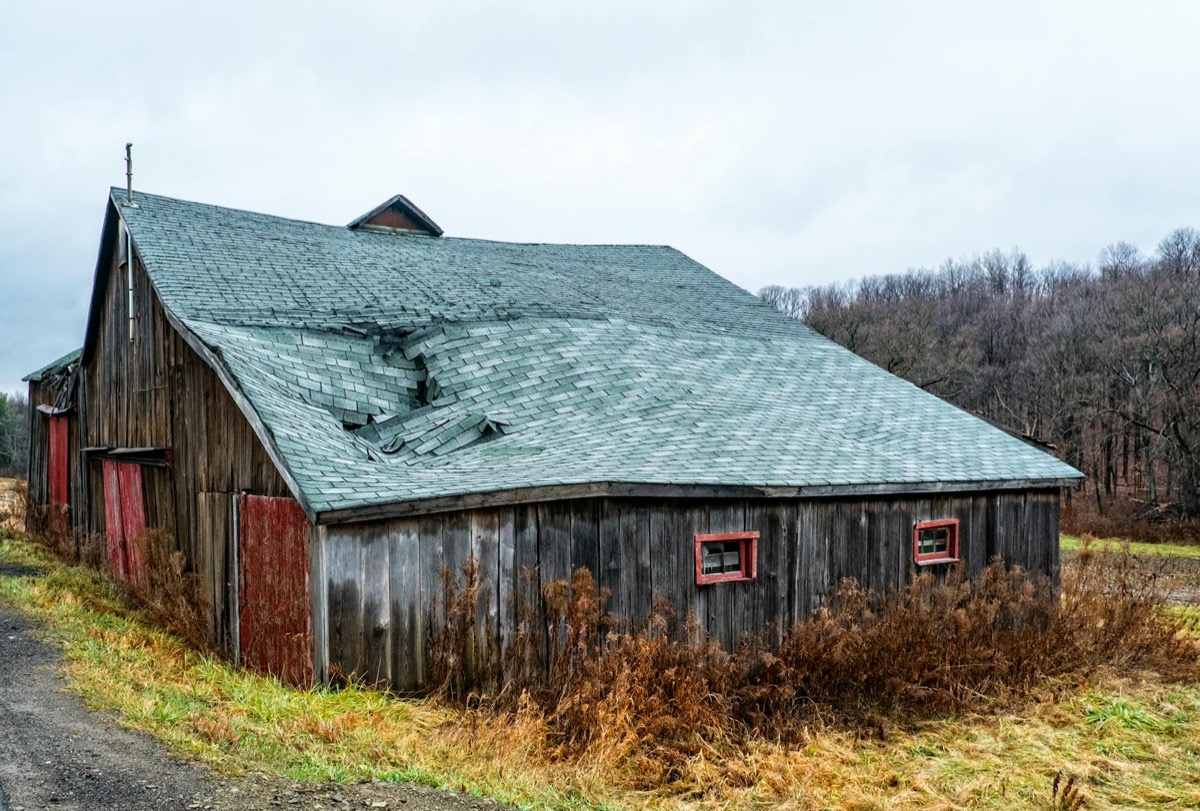
If you own a home in Oklahoma City, hail is not a matter of if — it is a matter of when. The OKC metro sits squarely inside one of the most hail-active corridors on the planet, and every spring brings a stretch of severe weather that tests roofs across the region. Understanding how hail season works, what it does to your roof, and how to respond after a storm can save you thousands of dollars and months of frustration.
When Is Hail Season in Oklahoma?
Oklahoma’s hail season runs primarily from March through June, with peak activity concentrated in April and May. During these months, the collision of warm, moist Gulf air with dry cold fronts from the Rockies creates the volatile atmospheric conditions that produce supercell thunderstorms — the kind that drop damaging hail.
The OKC metro averages four to six significant hail events per year. A “significant” event means hailstones of one inch in diameter or larger — roughly the size of a quarter. But Oklahoma regularly produces storms with golf ball-sized hail (1.75 inches) and occasionally baseball-sized hail (2.75 inches) that can cause catastrophic damage to roofing materials, siding, vehicles, and anything else left exposed.
Historical events underscore the severity. The May 2010 hailstorm dropped grapefruit-sized hail across central Oklahoma and caused over $2 billion in insured losses. The April 2015 storms hammered Moore and Norman with sustained hail bombardment. More recently, severe hail events in 2023 and 2024 affected large portions of Edmond, Yukon, and northwest Oklahoma City.
How Hail Damages Different Roofing Materials
Not all roofing materials respond to hail the same way. Understanding what happens to your specific roof type helps you know what to look for after a storm.
Asphalt Shingles
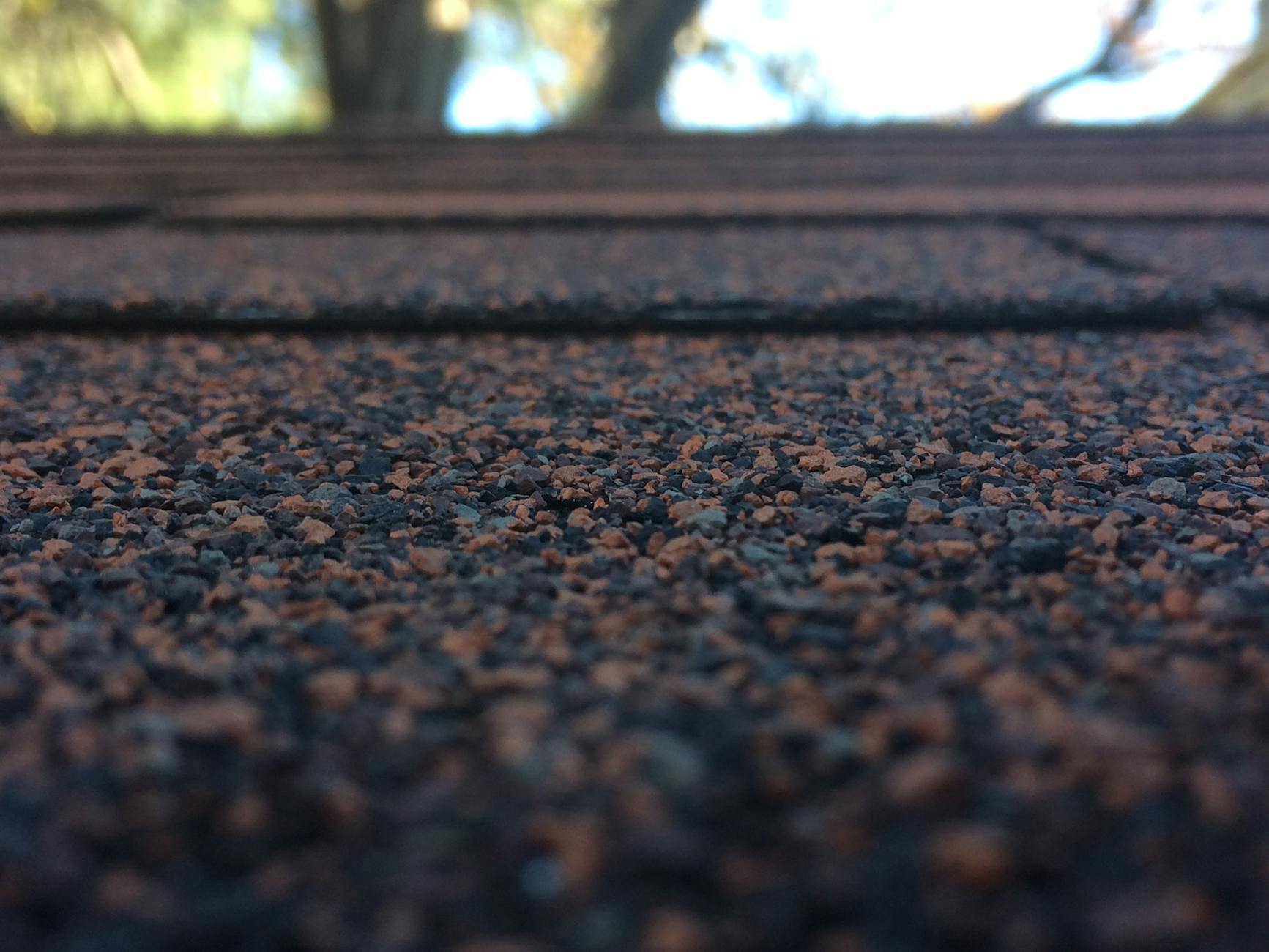
Asphalt shingles are the most common roofing material in the OKC metro, and they are also the most vulnerable to hail. When hail strikes an asphalt shingle, it displaces the protective granule layer, leaving the asphalt mat exposed to UV radiation. This accelerates aging and creates weak points where water can eventually penetrate. Larger hailstones can crack the mat itself, creating immediate leak pathways.
The tricky part is that much of this damage is not visible from the ground. Granule displacement and mat bruising require a hands-on, up-close inspection to identify. You might look at your roof from the driveway and think everything is fine, while the shingles are riddled with impact points that will shorten the roof’s lifespan by years.
Metal Roofing
Standing seam and exposed fastener metal roofs handle hail differently. Small hail typically bounces off without functional damage, though it may leave cosmetic dents. Larger hail — roughly 1.5 inches and above — can dent metal panels enough to compromise the paint or coating system, which can lead to corrosion over time. Metal roofs generally withstand hail far better than asphalt, which is one reason they are growing in popularity across Oklahoma.
Tile Roofing
Clay and concrete tile roofs are durable against many weather conditions, but hail is their weakness. Large hailstones can crack or shatter tiles on impact, and the damage is often immediately visible. The good news is that individual tiles can usually be replaced without affecting the rest of the roof.
Signs of Hail Damage You Can Spot From the Ground
While a thorough hail damage assessment requires a professional on the roof, there are several indicators you can check yourself after a storm.
Dented gutters and downspouts are one of the most reliable ground-level indicators. If your aluminum gutters show fresh dents or dings, hailstones large enough to damage roofing materials almost certainly hit your roof too.
Damaged window screens and siding tell a similar story. Check the west and north-facing sides of your home, as these typically take the brunt of storm-driven hail.
Granules in the gutters after a storm suggest shingle damage. Some granule shedding is normal on aging roofs, but a sudden increase after a hail event is a red flag.
Dented AC condenser fins, mailboxes, and outdoor furniture all confirm the presence of damaging hail on your property.
Signs That Require Professional Inspection
The damage that actually determines whether your roof needs repair or replacement is usually only visible from on top of the roof. A qualified inspector will look for:
- Circular bruising patterns on shingles where hail impacts compressed the mat
- Granule displacement in random, non-uniform patterns (as opposed to wear lines from foot traffic or water flow)
- Cracked or fractured shingles from high-velocity impacts
- Damage to flashing, vents, and pipe boots that can create immediate leak points
- Soft spots in the shingle surface that indicate mat damage beneath intact granules
This is why a free professional hail damage inspection after every significant storm is so important. What looks fine from the ground may be severely compromised up close.
What to Do After a Hailstorm: Step by Step
When a hailstorm rolls through your part of the metro, here is the sequence that protects your home and your financial interests.
Step 1: Document Everything Immediately
Before you clean up any debris, walk around your property and photograph everything. Capture dented gutters, damaged siding, broken screens, and any visible roof damage. These time-stamped photos become critical evidence if you file an insurance claim.
Step 2: Check for Active Leaks
Go into your attic if you can safely access it. Look for daylight coming through the roof deck, water stains, or damp insulation. Inside the home, check ceilings and walls for new water spots. If you find active leaks, call a roofer for emergency tarping to prevent further interior damage.
Step 3: Call a Local Roofing Contractor for an Inspection
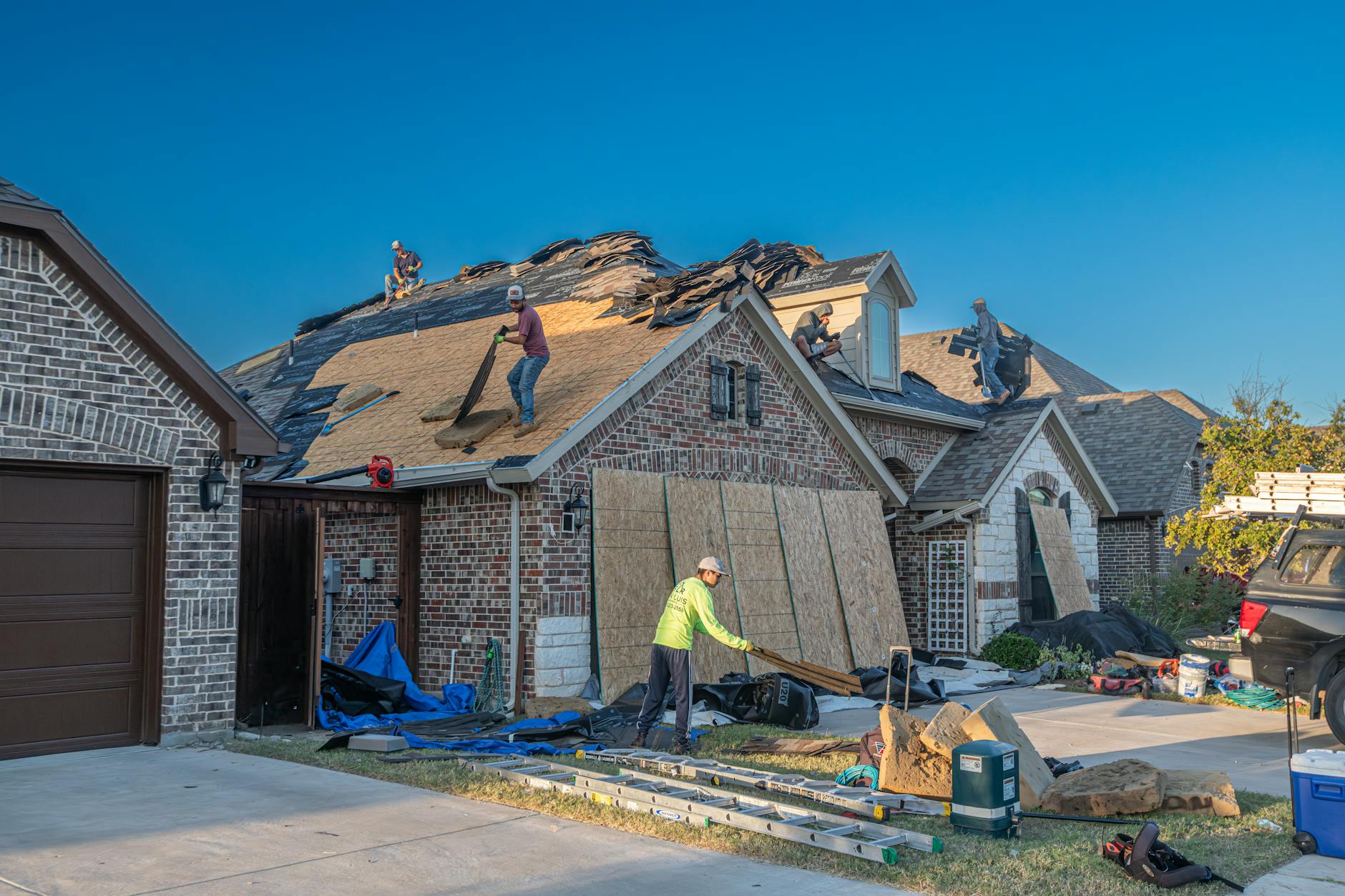
Get a professional on your roof within a few days of the storm. The inspection should be free, thorough, and documented with photos. A reputable contractor will tell you honestly whether the damage warrants an insurance claim or is minor enough to monitor. If they use Xactimate software — the same estimating platform insurance companies rely on — their documentation will align directly with what your adjuster expects to see.
Step 4: Contact Your Insurance Company
If your contractor identifies damage that meets your deductible threshold, file your claim. Oklahoma law gives homeowners one year from the date of the storm to file, but do not wait. Hail damage worsens over time as UV exposure, rain, and temperature cycling exploit compromised shingles.
Step 5: Be Present for the Adjuster Visit
When your insurance company sends an adjuster, have your roofing contractor there too. A knowledgeable contractor can walk the roof with the adjuster and point out damage that might otherwise be overlooked. This is where insurance claim assistance from an experienced roofer makes a measurable difference in claim outcomes.
Prevention: Class 4 Impact-Resistant Shingles
If you are replacing your roof — whether from storm damage or age — consider upgrading to Class 4 impact-resistant shingles. These shingles pass the UL 2218 steel ball impact test, meaning they can withstand a two-inch steel ball dropped from 20 feet without cracking.
In practical terms, Class 4 shingles survive the kind of hail that destroys standard architectural shingles. They cost roughly 15 to 25 percent more than standard shingles, but many Oklahoma insurance carriers offer premium discounts of 20 to 30 percent for homes with verified Class 4 installations. Over a 10 to 15 year period, the insurance savings often more than pay for the upgrade.
For homeowners in high-frequency hail zones like Moore, Edmond, and northwest Oklahoma City, impact-resistant shingles are one of the smartest investments you can make.
Know Your Roof Before Storm Season
The best time to assess your roof’s condition is before hail season arrives. If your roof is older than 15 years, has visible wear, or took hits in previous storms that were patched but not replaced, schedule an inspection now. Knowing the baseline condition of your roof gives you a clear reference point if storm damage occurs.
For Oklahoma City homeowners, hail season is an annual reality that is not going away. The difference between a smooth insurance process and a frustrating one often comes down to preparation — knowing what your roof looks like before the storm and having a trusted local contractor ready to inspect after it.
If your roof has been through recent storms and you have not had it checked, do not wait for the next one to find out something is wrong. A free inspection takes less than an hour and gives you the information you need to protect your home and your investment.