Decoding Oklahoma City Commercial Roofing Codes You Need to Know
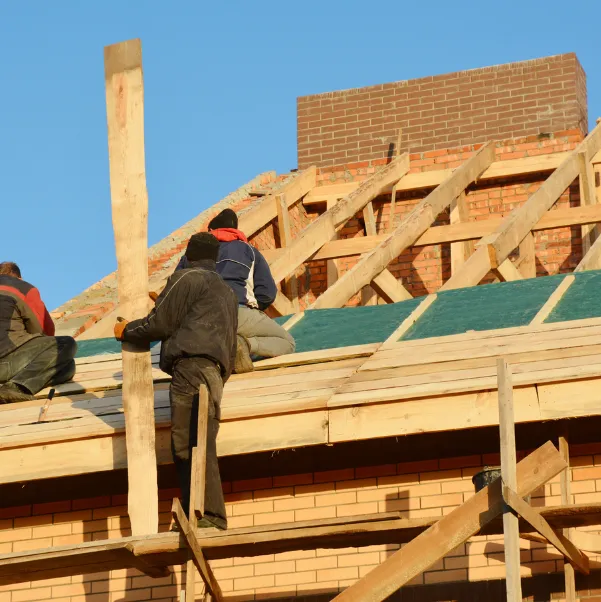
As a commercial property owner or facility manager in Oklahoma City, your roof isn't just a shield; it's a massive financial asset—or liability. A residential roof failure is stressful, but a commercial roof failure can halt operations, destroy inventory, and trigger costly, complex legal issues. Navigating a commercial roofing project requires a deep understanding of the regulatory environment that goes far beyond a simple building permit.
The rules governing non-residential structures are significantly stricter, more detailed, and carry much heavier compliance consequences than residential ones. We’re talking about specialized fire ratings, complex wind load calculations, and adherence to the International Building Code (IBC) with specific local amendments.
This guide is your essential briefing on Oklahoma City Commercial Roofing Codes. We’re going to translate the complex legal and construction jargon into actionable knowledge, helping you partner effectively with your contractor and ensure your commercial investment is protected, compliant, and built to withstand the unique rigors of Oklahoma’s climate.
The Core Regulations: IBC Adoption and Oklahoma City Commercial Roofing Codes
The regulatory framework for commercial construction in Oklahoma City starts at the state level but is enforced locally. Understanding the source of the codes is the first step toward compliance.

The International Building Code (IBC)
Unlike residential properties, which follow the IRC (International Residential Code), virtually all commercial and multi-family structures in OKC are governed by the International Building Code (IBC).
State Adoption, Local Enforcement: Oklahoma state adopts a specific edition of the IBC (currently, the IBC 2018 is referenced in state code, though local adoption may vary slightly). The City of Oklahoma City enforces this code, sometimes with specific local amendments tailored to our climate risks.
Why the IBC is Different: The IBC focuses heavily on building classification based on use (e.g., assembly, business, storage) and height/area. These classifications directly influence critical roof requirements, especially concerning fire separation and occupant safety. Your contractor must know how your building’s specific classification impacts the Oklahoma City Commercial Roofing Codes applicable to your project.
Permitting and Plan Review
The commercial permitting process is far more rigorous than residential. It requires detailed documentation to be submitted and reviewed by the City’s Development Center.
Detailed Scope of Work: For a commercial reroof, you must submit a detailed plan outlining the existing roof system, the proposed new system, specific material specifications, insulation values (R-value), and structural calculations.
Licensed Professionals: The IBC often requires that plans for major work (especially structural or high-risk assemblies) be prepared and stamped by an Oklahoma-licensed professional engineer (PE) or architect. This professional oversight is a key component of Oklahoma City Commercial Roofing Codes compliance.
Inspection Milestones: Inspections are frequent and critical. The inspector must verify the roof deck integrity before work begins, inspect the insulation and vapor barrier installation, and finally inspect the finished membrane and flashing work. Failure to secure these inspections can result in expensive tear-offs and fines.
The Non-Negotiables: Fire, Wind, and Hail Standards in Oklahoma City Commercial Roofing Codes
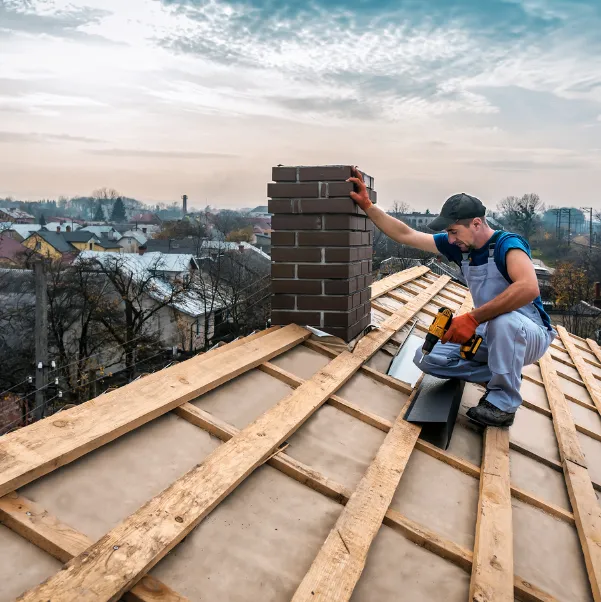
Given our location in Tornado Alley and the sheer size of commercial structures, the codes emphasize protection against environmental hazards and fire propagation.
Fire Resistance Ratings (ASTM E108/UL 790)
The fire rating is one of the most critical aspects of Oklahoma City Commercial Roofing Codes. This rating is not for protecting the building from a fire inside but from fires starting outside (like flying brands) or spreading between buildings.
Class A is the Standard: Most commercial buildings in OKC are required to use roofing systems that achieve a Class A Fire Rating. This is the highest available rating, signifying the material’s superior ability to resist the spread of flame and penetration by burning embers.
Decking and Assembly: The rating often applies to the entire roof assembly (deck, insulation, vapor barrier, and membrane), not just the top layer. The thickness and type of insulation required, for instance, are often factored into maintaining the Class A rating.
Wind Uplift Requirements (FM/UL Standards)
High-wind events are routine here, making wind resistance a major regulatory focus. Commercial roofs, especially low-slope systems, are highly susceptible to wind uplift (the suction effect).
Edge and Corner Calculations: The IBC, and thus Oklahoma City Commercial Roofing Codes, requires stricter fastening standards for the perimeter and corners of the roof, where wind forces are most concentrated. Your contractor must adhere to the calculated wind design loads specific to your building’s height and location.
FM Approval/UL Listings: Look for materials that have Factory Mutual (FM) or Underwriters Laboratories (UL) approval for wind resistance. These third-party certifications assure the City that the material and its specified installation method can meet high wind velocity tests.
Hail and Impact Resistance
While residential codes lean toward Class 4 Impact Resistance, commercial owners often choose durable membranes (like TPO or PVC) and protective layers for flat roofs to mitigate damage from large hailstones, which are a recurring threat in the OKC metro area. While Class 4 is ideal, the minimum code is often focused on the assembly's overall structural integrity under impact.
Thermal Efficiency and Material Selection in Oklahoma City Commercial Roofing Codes
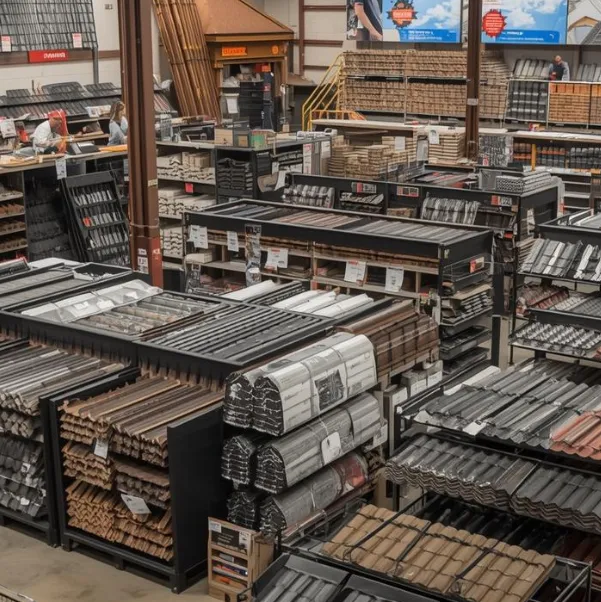
Beyond safety, the IBC contains detailed requirements aimed at increasing energy efficiency and material longevity, directly impacting your operating costs.
Insulation and Energy Code Compliance
All major commercial roofing projects must comply with the current adopted energy code (typically the International Energy Conservation Code, or IECC).
R-Value Mandates: The code specifies the minimum R-value (a measure of thermal resistance) that must be achieved in the roof assembly. Due to the wide temperature swings in Oklahoma, proper insulation is critical for controlling costs and preventing condensation. A full replacement will necessitate bringing the insulation up to the current required R-value, which is often higher than what was installed decades ago.
Vapor Barriers: In certain building environments (especially those with high interior humidity), Oklahoma City Commercial Roofing Codes require the installation of a vapor barrier to prevent moisture migration into the insulation layer, which would ruin the insulation’s R-value and cause deterioration.
The "Two-Layer" Rule (Re-Roofing)
If you are considering reroofing (installing a new layer over the existing one), you must be aware of the "two-layer maximum" rule.
Tear-Off Mandate: If your existing commercial roof system already consists of two layers of roofing material, the IBC requires a full tear-off down to the structural deck before any new material can be applied. This ensures the structural integrity of the roof deck and prevents overloading.
Deck Integrity Check: A full tear-off is also necessary to allow the City inspector to check the roof deck for rot, damage, and proper fastening—a crucial step in meeting Oklahoma City Commercial Roofing Codes for structural safety.
Contractor Responsibility: Your Partner in Compliance
For commercial roofing, the complexity of codes and permits means your choice of contractor is inextricably linked to your legal compliance.
Due Diligence Checklist
When hiring for a commercial project, your contractor must:
Possess the Right License: Ensure they hold the proper CIB registration and the necessary licensing for the scope of commercial work, which may differ from residential endorsements.
Provide Proof of Bonding: Commercial projects often require the contractor to be bonded—a financial guarantee that protects the property owner if the contractor fails to complete the work as specified in the contract and code.
Manage the Permit Process: A reputable contractor assumes full responsibility for obtaining the permit, preparing the necessary plans (often with a PE stamp), and scheduling all mandatory inspections. They are the expert in Oklahoma City Commercial Roofing Codes; you are the building owner trusting their expertise.
Failure to follow the strict Oklahoma City Commercial Roofing Codes could lead to stop-work orders, costly tear-offs, denied insurance claims, and eventual liability when selling or leasing the property. Proactive compliance is the only viable commercial strategy.
Key Point
IBC is the Law: Commercial roofs adhere to the International Building Code (IBC), often with stricter local amendments tailored to Oklahoma's severe weather risks.
Stricter Permitting: Commercial projects require detailed plans, often stamped by a licensed engineer, and trigger multiple required inspections (e.g., decking, insulation, final).
Class A Fire Rating: Most commercial structures must meet the Class A Fire Rating to prevent fire spread, requiring specific roof assemblies and material selection.
High Wind Uplift: Codes mandate stringent fastening methods to resist wind uplift, especially at roof perimeters and corners, often requiring materials and installation methods with UL or FM approvals.
Energy Code Compliance: Any major reroof must upgrade the system's insulation to meet the current IECC R-value mandates for energy efficiency.
Contractor is Key: Choose a contractor with proven commercial experience, proper bonding, and a comprehensive understanding of Oklahoma City Commercial Roofing Codes to ensure compliance and avoid liability.
Get Started with a Free Estimate
Your search for the right roofing partner ends here. At Reliant Roofing, we are confident in our ability to provide a superior service that meets your needs and exceeds your expectations. Contact us today for a free, no-obligation estimate, and let us show you why we are the top choice for residential and commercial roofing in Oklahoma City
Schedule Your Free, No-Obligation Inspection
Get a professional roof inspection and a detailed estimate by filling out the form below.
