Common Roofing Issues in Oklahoma: What Homeowners Should Know

Let's face it: owning a home in Oklahoma is an exercise in weather resilience. We love the vibrant seasons, the wide-open skies, and the strong sense of community, but we also live in "Tornado Alley," which means our homes—and especially our roofs—are subjected to extreme conditions few other regions face. Your roof isn't just a part of your house; it's the single most crucial barrier protecting your life and your investment.
Knowing what to look for is your first and best defense. Being blindsided by a major roof failure is stressful, costly, and entirely preventable. This conversation is about getting you armed with the knowledge of the Common Roofing Issues in Oklahoma so you can spot problems early and partner with the right professionals before a small issue turns into a total disaster.
We're going to dive into the specific ways our local climate attacks your roof, from the obvious (like giant hail) to the subtle (like the silent killer lurking in your attic). By understanding these local dangers, you'll be well-equipped to practice proactive maintenance, save thousands on premature replacements, and maintain that crucial peace of mind.
The Big Three: Storm-Related Common Roofing Issues in Oklahoma
When Oklahomans talk about roof damage, they're usually talking about the immediate, visible destruction caused by our notoriously severe storms. These are the "Big Three" you absolutely must be vigilant about, and they are the leading causes of insurance claims across the state.

1. Hail Damage: The Silent Killer
Hail is arguably the most pervasive and destructive force against roofs in our state. What makes it a leading cause of Common Roofing Issues in Oklahoma is that the damage often isn't immediately visible from the ground, yet it utterly destroys the protective life layer of your shingles.
The Bruise Effect: When hail strikes an asphalt shingle, it impacts the hard, ceramic granules—the shingle's sunscreen and protective layer. Large stones don't always puncture the shingle, but they crush the fiberglass matting underneath and displace the granules. This leaves a "bruise" or "bald spot" that exposes the underlying asphalt to intense UV light.
The Chain Reaction: Once the asphalt is exposed, the material ages rapidly, becoming brittle and allowing water penetration. What starts as a small, undetectable ding becomes a widespread leak point months or even years later.
Action Plan: After any storm with hail the size of a quarter or larger, the only safe and reliable action is to call a professional for a detailed, post-storm inspection. Waiting only makes the resulting insurance claim more difficult.
2. Wind Uplift and Shingle Blow-Off
Oklahoma winds are legendary, and they don't just put stress on trees; they exert tremendous force on the edges and corners of your roof. Wind damage accounts for a huge percentage of Common Roofing Issues in Oklahoma.
The Suction Effect: As wind flows over your roof, it creates an uplift or suction effect, similar to an airplane wing. If your shingles' thermal seals (the adhesive that bonds them together) are old, weakened by heat, or were improperly installed, the wind can break that seal.
Shingle Blow-Off: Once the seal is broken, the wind can lift, crease, or tear off entire shingles or sections, exposing the vulnerable roof deck underneath. Even if the shingles don't blow off, the crease they leave behind makes them permanently compromised and prone to leaking.
Action Plan: Always look around your yard and your neighbors' yards immediately after a windstorm. If you see debris or shingles, inspect your roof line. Any missing shingle exposes your home to immediate water infiltration and should be addressed within 24 hours.
3. Flying Debris and Puncture
High winds turn ordinary objects into projectiles—tree limbs, outdoor furniture, or even parts of your neighbor's fence. These impacts cause direct, obvious punctures.
Puncture Damage: This is the most straightforward of the Common Roofing Issues in Oklahoma. A limb punches a hole through the shingles and the underlying decking.
Action Plan: If you have visible puncture damage, your first step (after ensuring safety) is to call for emergency tarping to stop the active water leak until a proper repair can be scheduled. Document the damage extensively for your insurance claim.
The Subtle Threats: Heat, Water, and Age as Common Roofing Issues in Oklahoma
Not all roof issues arrive in a dramatic thunderstorm. Some of the most costly failures come from slow, relentless exposure to our climate's heat and moisture.

4. Thermal Shock and UV Degradation
Our weather can swing wildly, often going from below freezing one night to warm the next day. This constant, extreme temperature fluctuation is what roofers call thermal shock.
Material Stress: All roofing materials—shingles, metal, and flashing—expand when hot and contract when cold. This thermal shock puts incredible stress on the materials, leading to cracking, splitting, and, most importantly, the eventual failure of sealants used around penetrations.
UV Attack: The long, hot Oklahoma summers feature intense UV exposure. UV rays dry out the asphalt oils in shingles, making them brittle and accelerating the loss of granules. Over time, this leads to widespread cracking and curling, rendering the shingles useless.
Action Plan: Regular, professional inspections are the only way to catch early signs of cracking or peeling near flashing and pipe boots before they turn into major leaks.
5. Poor Ventilation and Excessive Attic Heat
This is the silent killer—the least understood, yet most common, cause of premature roof failure in Oklahoma. It’s also one of the leading Common Roofing Issues in Oklahoma that homeowners neglect.
Baking Your Shingles: An attic that lacks balanced ventilation (proper intake from soffits and exhaust from ridge/box vents) can reach temperatures of 140°F to 160°F. This superheated air bakes the shingles from below, dramatically accelerating the aging process and rendering manufacturer warranties void.
Moisture and Mold: Poor ventilation traps moisture (from household activities) in the attic. This condenses on the cold underside of the roof deck in the winter, leading to wood rot, mold, and mildew, which compromises the structural integrity of your decking.
Action Plan: Have a professional roofer or HVAC specialist check your attic’s ventilation balance. Ensuring adequate airflow protects your roof's warranty and lowers your summer utility bills.
6. Flashing, Vents, and Penetration Failure
As we mentioned, the most vulnerable areas of your roof are where the materials are cut—around vents, chimneys, skylights, and pipe boots.
Plastic Pipe Boots: The rubber or plastic material used around vent pipes (pipe boots) is highly susceptible to UV rays and thermal shock. Over five to ten years, this material often cracks or deteriorates, creating a direct path for water.
Chimney Crickets and Step Flashing: Masonry and metal flashing around chimneys require specific detailing and sealants. Cracks in the chimney mortar or separation in the step flashing are extremely Common Roofing Issues in Oklahoma that lead to leaks around the fireplace or interior walls.
Your Proactive Strategy Against Common Roofing Issues in Oklahoma
Now that you know the threats, let's talk about the defense. The key to successful roof ownership in Oklahoma is maintenance and preparation.
The Maintenance Checklist: Four Core Tasks
Scheduled Professional Inspections: Twice a year, every year (Spring and Fall). This is the absolute minimum standard.
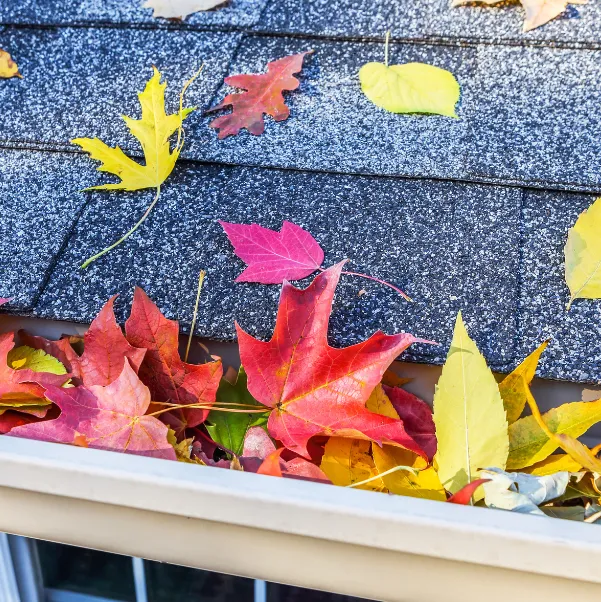
Clear Gutter Management: Keep gutters and roof valleys completely free of leaves, pine needles, and shingle granules. Blockages cause water to back up and seep under the shingles, leading to soffit rot and leaks.
Trim Trees Aggressively: Ensure all tree limbs are trimmed back at least six to ten feet from your roofline. This eliminates abrasion damage and minimizes the risk of catastrophic limb failure during high winds.
Know Your Rafters: Periodically check your attic (especially after a heavy rain) for water stains, damp insulation, or musty smells. These are the earliest signs of a leak and often appear long before the water stain shows up on your ceiling downstairs.
Partnering with the Right Roofer
When addressing the Common Roofing Issues in Oklahoma, your choice of contractor is everything. You need a local partner who understands our insurance claims process and local building codes.
Local Experience: Choose a company with deep experience specifically in OKC. They know the required building codes, the types of shingle materials that perform best against local hail, and how local insurance adjusters typically operate.
Insurance Claim Expertise: The recovery process after a major storm relies heavily on accurate, documented damage assessment. A professional roofer works for you to ensure the insurance adjuster sees all the damage—especially the subtle hail bruises—to secure a fair and full claim settlement.
By staying proactive, recognizing the unique threats of our Oklahoma climate, and partnering with local experts, you can turn the stress of roof maintenance into a simple, manageable process.
Summary of Key Points
Hail is the #1 Threat: Hail often causes hidden "bruises" that strip away protective granules, leading to long-term leaks. Always get a professional inspection after a significant hailstorm.
Wind Damage is Immediate: High winds cause shingle uplift and blow-off by breaking the thermal seals, requiring immediate repair to prevent widespread water damage.
Ventilation is Essential: Poor attic ventilation bakes your shingles from below, drastically shortening their lifespan and often voiding the manufacturer's warranty.
Thermal Shock Kills Seals: Extreme temperature swings cause constant expansion and contraction, which leads to the cracking and failure of sealants around vulnerable roof penetrations (vents, pipes, flashing).
Proactive Care Pays Off: Routine professional inspections and diligent gutter/tree maintenance are the most cost-effective strategies to manage Common Roofing Issues in Oklahoma and avoid costly, premature roof replacement.
Get Started with a Free Estimate
Your search for the right roofing partner ends here. At Reliant Roofing, we are confident in our ability to provide a superior service that meets your needs and exceeds your expectations. Contact us today for a free, no-obligation estimate, and let us show you why we are the top choice for residential and commercial roofing in Oklahoma City.
Schedule Your Free, No-Obligation Inspection
Get a professional roof inspection and a detailed estimate by filling out the form below.
