Asset Depreciation Checklist: What Are the Signs That My Roofing Materials Are Nearing the End of Their Lifespan?

For Oklahoma City homeowners, a roof isn't just a covering; it's a critical, high-value asset with a finite lifespan. Ignoring the subtle indicators of material fatigue is the most expensive mistake you can make, turning a planned replacement into a costly, urgent emergency. Knowing What Are the Signs That My Roofing Materials Are Nearing the End of Their Lifespan? allows you to schedule a replacement strategically, before a storm forces the issue.
We approach this from an Asset Depreciation perspective. Every material, from the asphalt mat to the metal flashing, has a visible depreciation curve. By identifying these ten signs, you gain control over your roof's future, ensuring your replacement is built to the Oklahoma Standard for superior, long-term resilience.
1. The Age of the System: Beyond the Warranty
The first step in answering What Are the Signs That My Roofing Materials Are Nearing the End of Their Lifespan? is checking the calendar.
1. Reaching the Critical Age Threshold
While standard architectural shingles are often warrantied for 25 to 30 years, the extreme thermal cycling, high UV exposure, and frequent severe weather of the Oklahoma climate often shorten their effective life to 15 to 20 years. If your roof is approaching two decades, regardless of how it looks from the street, the underlying mat and seals are likely fatigued. Proactive inspection is essential to prevent storm failure.

2. Exterior Visual Indicators: The Shingle Depletion
These are the most common signs of material failure, visible from the ground or during a gutter inspection.
2. Excessive Granule Loss and Bald Spots
Granules are the final protective layer. If you see vast amounts of grit in your gutters or if shingles show large, dark, smooth areas, the asphalt underneath is exposed. This exposure means the shingle is rapidly degrading under UV rays, losing its fire resistance, and is susceptible to breaking. This is a terminal sign of material depletion, signaling the shingle has lost its protective function.
3. Deep Curling, Clawing, or Cupping
Shingle edges that start to lift (cupping) or curl inward (clawing) are a clear symptom of moisture imbalance and heat damage. This material deformation is permanent. It prevents water from shedding correctly, increases vulnerability to wind uplift, and indicates the shingle's internal mat is severely fatigued, marking the end of its useful life.
4. Cracked or Broken Shingles
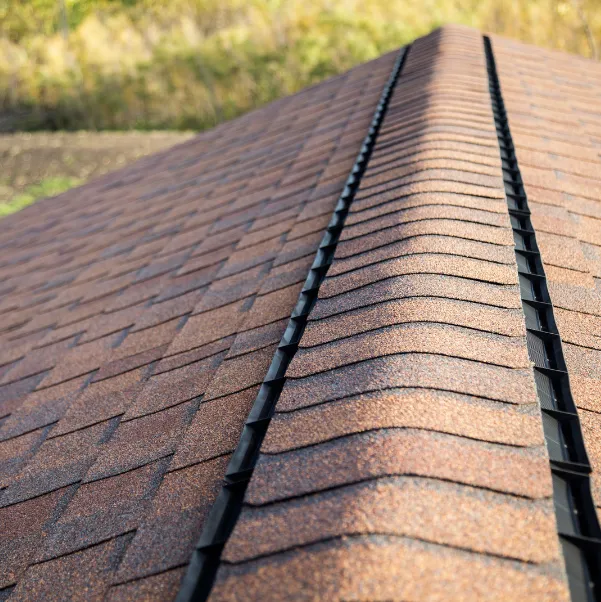
Cracking is the physical result of the asphalt becoming brittle due to the extreme heat cycles in Oklahoma. When brittle material is subjected to expansion, contraction, or a minor wind load, it breaks. Broken shingles create immediate channels for water, confirming the material has lost all flexibility and weather resistance. Look particularly at the shingles over the ridge and hips, as they receive the most stress.
5. Visible Shingle Blistering
Blistering—small, raised bubbles on the shingle surface—occurs when trapped moisture or excessive volatile oils beneath the shingle surface heat up and expand. When these blisters break, they expose the asphalt directly, leading to rapid UV degradation and accelerating the overall failure rate of the system. This indicates poor material health and severe thermal stress.
3. Flashing and System Failures: The High-Risk Junctures
The materials that seal the roof's penetrations often fail before the shingles do, leading to immediate leaks.
6. Cracked or Missing Pipe Boots and Seals
The rubber or plastic pipe boots surrounding ventilation pipes are highly susceptible to UV damage and thermal shock. If the rubber is visibly cracked, brittle, or disintegrating, it is no longer sealing the penetration. This is a guaranteed leak source and confirms the material protecting the penetration has exceeded its functional life.
7. Rust or Corrosion on Metal Flashing
Metal flashing protects the most critical junctures, such as around chimneys and valleys. If you see rust, corrosion, or significant pitting, the metal's protective coating has failed. Compromised metal will eventually fracture or allow water to seep through, indicating a complete failure of the sealing component that requires urgent replacement.
8. Loose or Missing Fasteners
While professional contractors use hidden fasteners, certain fasteners on flashing, gutters, or metal components can become loose due to constant wind vibration and thermal movement. Loose fasteners create small entry points for water and indicate the entire assembly is losing its connection to the structural decking beneath, requiring immediate re-securing.
4. Subsurface and Interior Indicators: Structural Depreciation
These signs confirm the roof's failure is affecting the underlying structure.
9. Sagging Decking Between Rafters
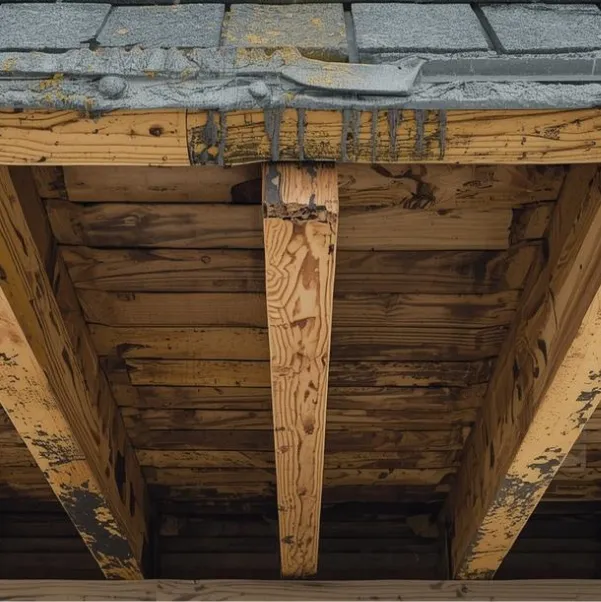
If the roof deck appears visibly warped or saggy between the supporting rafters, this is a severe warning. Sagging is often caused by long-term, chronic moisture saturation (from condensation or slow leaks) that has weakened or rotted the wood decking. This indicates a structural integrity problem, signaling the end of the roof's service life and requiring immediate structural evaluation and replacement.
10. Failed or Saturated Attic Insulation
If you inspect your attic and find the insulation matted down, compressed, or visibly wet, it confirms a leak has been occurring long enough to destroy the insulation's R-value. Saturated insulation holds moisture against the wood decking, accelerating rot and mold growth. This failure of the insulation layer is a direct consequence of a failed roofing system above it and demands urgent repair and replacement of both the roofing material and the insulation.
Action Plan: Proactive Maintenance vs. Emergency Cost
Identifying What Are the Signs That My Roofing Materials Are Nearing the End of Their Lifespan? allows you to move from reactionary repairs to strategic asset management.
The Strategic Replacement
Do not wait for a storm to force a catastrophic failure. A proactive replacement allows you to:
Avoid Emergency Costs: Schedule the work on your timeline, avoiding the high prices and long waiting lists typical after a major Oklahoma storm.
Maximize Insurance Leverage: If an inspection reveals insurable damage due to fatigue, you may be able to leverage your policy for a full Replacement Cost Value (RCV) claim before the damage is categorized as mere "age wear and tear."
Upgrade to Resilience: Use the opportunity to install a superior system built to the Oklahoma Standard, including Class 4 Impact-Resistant Shingles, to gain decades of superior protection and potentially lower insurance premiums.
Ignoring these ten warning signs is a guarantee that your next major weather event will result in structural damage, water intrusion, and a much higher financial burden. Call a local, certified expert for a professional asset depreciation inspection today.
Schedule Your Free, No-Obligation Inspection
Get a professional roof inspection and a detailed estimate by filling out the form below.
